Your front door does much more than create a first impression. It serves as a critical barrier between your home and the outside world, protecting your family, belongings, and indoor comfort. At Toms River Door & Window, we’ve found that many homeowners begin considering a new entry door for aesthetic reasons, only to discover their existing door is also contributing to drafts, higher energy bills, or security concerns. During consultations, we frequently encounter older doors with worn weatherstripping, warped frames, or deteriorating seals that allow air and moisture to enter the home. Replacing these aging components with a properly fitted modern entry door can improve both comfort and long-term performance.
If your existing door is outdated, damaged, or poorly insulated, upgrading to a new entry door installation can provide significant benefits. From enhanced security to improved energy efficiency, a modern entry door is an investment that can pay off in multiple ways.
Enhanced Home Security Starts at the Front Door
One of the biggest advantages of a new entry door installation is improved home security. Older doors can weaken over time due to weather exposure, moisture damage, warping, or general wear and tear. These issues can make it easier for intruders to force entry.
Modern entry doors are designed with security in mind. Many feature reinforced frames, durable materials, and advanced locking systems that provide greater resistance against forced entry attempts. Fiberglass, steel, and solid wood doors are all available with enhanced security features that help protect your home.
In addition to stronger construction, new doors often include upgraded deadbolts, multi-point locking systems, and impact-resistant glass options. These features create multiple layers of protection, making it more difficult for unauthorized individuals to gain access.
Homeowners who invest in a professional entry door installation gain peace of mind knowing that their home has a stronger first line of defense.
Improved Energy Efficiency Throughout the Year
Another major benefit of replacing an old entry door is improved energy efficiency. Many older doors develop gaps, cracks, and worn weatherstripping that allow outside air to enter and conditioned air to escape. This can force your heating and cooling system to work harder to maintain comfortable indoor temperatures.
New entry doors are engineered with advanced insulation technologies that help reduce energy loss. Features such as insulated cores, thermal barriers, and high-performance weatherstripping help create a tighter seal around the doorway.
When properly installed, a modern entry door can help:
- Reduce drafts and air leaks
- Improve indoor comfort
- Lower heating and cooling costs
- Reduce strain on HVAC equipment
- Maintain more consistent indoor temperatures
By minimizing energy loss, homeowners may notice a reduction in monthly utility bills while enjoying a more comfortable living environment year-round.
Better Protection Against Weather and Moisture
Severe weather can take a toll on aging entry doors. Rain, snow, humidity, and temperature fluctuations can cause doors to warp, crack, swell, or deteriorate over time. Once a door begins to fail, moisture can infiltrate the surrounding structure and potentially cause additional damage.
New entry doors are built with durable materials that resist weather-related wear. Fiberglass doors, for example, offer excellent resistance to moisture, while steel doors provide exceptional durability and protection against harsh conditions.
A properly installed door also creates a stronger seal against wind-driven rain and outdoor elements, helping prevent water intrusion and reducing the risk of damage to surrounding walls and flooring.
Increased Home Value and Curb Appeal
A new entry door installation is one of the most noticeable exterior upgrades a homeowner can make. Because the front door serves as a focal point of the home’s exterior, replacing an outdated door can dramatically improve curb appeal.
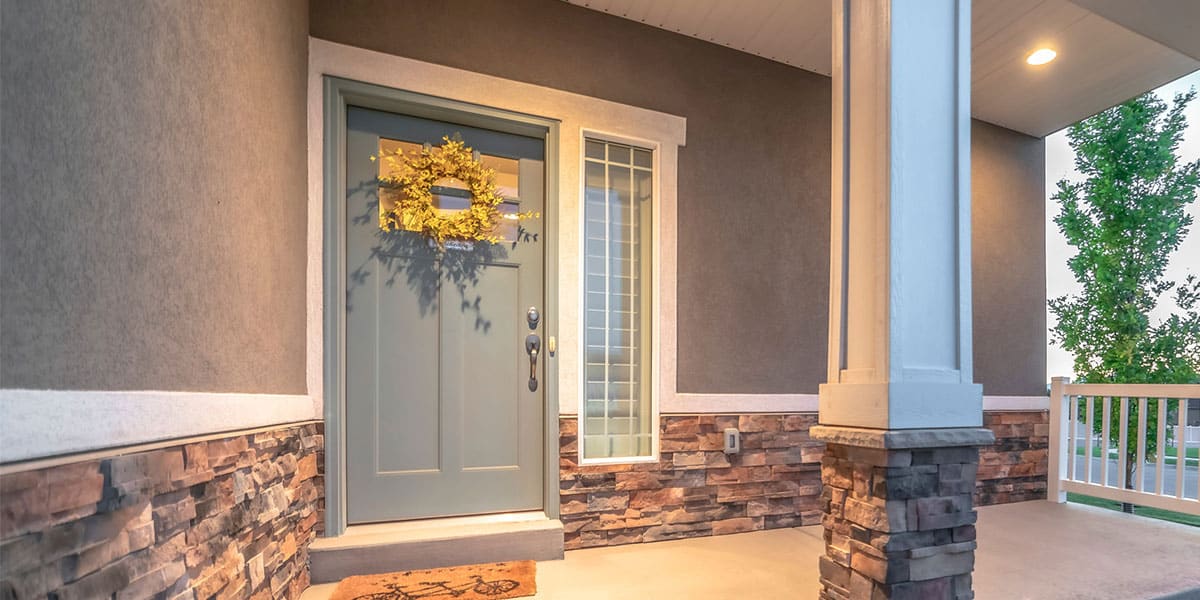
Today’s homeowners can choose from a wide variety of styles, colors, finishes, decorative glass options, and hardware designs to complement their home’s architecture. Whether you prefer a traditional, contemporary, or craftsman-style appearance, there are entry door options to match virtually any design preference.
In addition to improving aesthetics, a new door can increase perceived property value. Potential buyers often appreciate upgrades that enhance both security and energy efficiency, making a new entry door a smart investment for homeowners considering a future sale.
Reduced Maintenance Requirements
Older wooden doors often require frequent painting, staining, and repairs to maintain their appearance and performance. Modern entry door materials offer much lower maintenance requirements.
Fiberglass and steel doors are especially popular because they resist warping, cracking, rotting, and insect damage. Many finishes are designed to withstand years of exposure without requiring extensive upkeep.
This means homeowners can spend less time maintaining their doors and more time enjoying the benefits of improved security and energy efficiency.
Professional Installation Makes a Difference
Even the highest-quality door can underperform if it is not installed correctly. Professional installation ensures the door is properly aligned, sealed, and secured within the frame. Proper installation helps maximize security, prevent air leaks, and ensure smooth operation for years to come.
Experienced installers, like our team at Toms River Door & Window, can also identify and address any issues with the existing door frame, threshold, or surrounding structure before the new door is installed. This attention to detail helps ensure optimal performance and long-term durability.
Invest in Comfort, Security, and Savings
A new entry door installation offers far more than an updated appearance. It can strengthen your home’s security, improve energy efficiency, reduce maintenance needs, and enhance overall comfort. By upgrading an aging or inefficient door, homeowners can enjoy lower utility bills, better protection from the elements, and increased peace of mind.
If you’re ready to upgrade your home’s entryway, contact Toms River Door & Window for a professional door replacement quote. Our team can help you choose the right door for your home and provide expert installation services that maximize security, energy efficiency, and long-term performance.