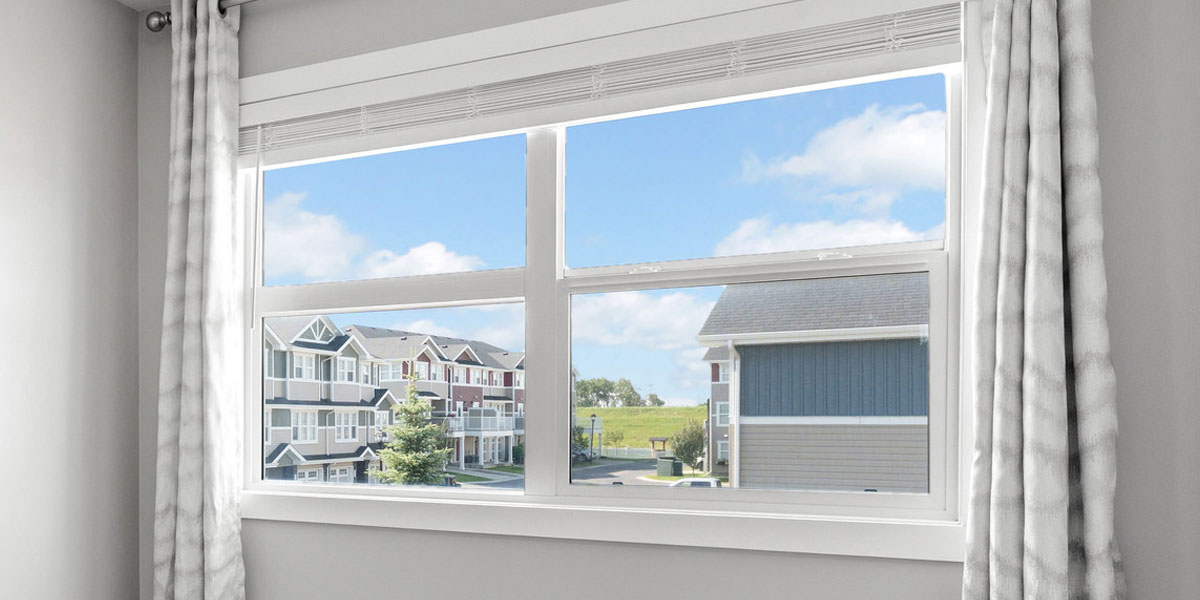
Your home’s windows play a critical role in comfort, energy efficiency, and curb appeal. While they’re built to last for years, windows don’t last forever. Over time, wear and tear can reduce their performance, leaving your home less efficient and more vulnerable to the elements. But how do you know when it’s time to replace them instead of repairing them? Recognizing the warning signs early can help you avoid higher energy bills and costly damage.
Drafts and Air Leaks
Do you feel a breeze near your windows even when they’re closed? Drafty windows are a clear sign that seals have failed or frames have warped. Over time, exposure to weather can cause materials to expand and contract, leading to gaps that allow outside air inside.
You can test for drafts by holding your hand near the edges of the window or using a candle flame to detect airflow. If you notice movement, it’s likely time to consider replacement.
Rising Energy Bills
One of the most common indicators that your windows need to be replaced is a noticeable increase in your energy bills. Older or damaged windows often allow air to leak in and out of your home, making it harder to maintain a consistent indoor temperature. In the winter, warm air escapes, and in the summer, cool air seeps out. If your HVAC system seems to be working overtime, inefficient windows could be the culprit.
Modern, energy-efficient windows are designed with advanced insulation features such as double or triple panes, low-emissivity (Low-E) coatings, and gas fills that help regulate indoor temperatures more effectively.
Difficulty Opening and Closing
Windows should open and close smoothly without excessive force. If you’re struggling to operate your windows, it could be due to warped frames, rusted hardware, or balance issues. Not only is this frustrating, but it can also be a safety concern, especially in emergency situations when windows may need to serve as an exit. New windows offer improved functionality, making them easier to operate while also providing better security features.
Condensation Between Glass Panes
If you notice fogging or condensation trapped between the panes of your windows, it’s a sign that the seal has failed. Double- and triple-pane windows rely on airtight seals to keep insulating gas inside. Once that seal is broken, moisture can enter, reducing the window’s insulating ability and obscuring your view.
While this issue might not seem urgent at first, it significantly impacts energy efficiency and usually requires full window replacement rather than repair.
Outside Noise Becoming Louder
Windows also act as a barrier against outside noise. If you’re suddenly hearing more traffic, neighbors, or other outdoor sounds, your windows may no longer be providing adequate insulation. Older single-pane windows, in particular, offer very little soundproofing. Upgrading to modern windows can significantly reduce noise pollution, creating a quieter and more comfortable indoor environment.
Visible Damage or Decay
Take a close look at your window frames and glass. Signs of damage such as cracks, rotting wood, warping, or water stains should not be ignored. Wooden frames are especially prone to rot when exposed to moisture over time.
Damaged windows not only look unattractive but can also compromise your home’s structural integrity. Replacing them promptly helps prevent further deterioration and potential water intrusion.
Fading Furniture and Flooring
If you’ve noticed your furniture, carpets, or hardwood floors fading over time, your windows may not be providing adequate UV protection. Sunlight can cause significant damage to interior materials, especially if your windows lack modern coatings.
New windows with UV-blocking technology can help protect your home’s interior while still allowing natural light to shine through.
Your Windows Are Simply Old
Even if your windows appear to be functioning, age alone can be a reason to consider replacement. Most windows last between 15 to 25 years, depending on the material and maintenance. Older windows simply can’t match the performance of newer models in terms of efficiency, security, and durability. Upgrading your windows can also boost your home’s value and enhance its overall appearance, making it a smart investment whether you plan to stay or sell.
The Benefits Of Window Replacement
Replacing your windows isn’t just about fixing problems, it’s about improving your entire home. New windows can help lower energy costs, enhance curb appeal, and improve overall indoor comfort by maintaining consistent temperatures. They can also increase your property value, reduce outside noise for a quieter living space, and provide better security with modern materials and locking systems. With so many advantages, window replacement stands out as one of the most impactful home improvement projects you can make.
Get A No-Obligation Window Replacement Quote Today
If you’re noticing any of these signs, it may be time to upgrade your windows. Don’t wait until small issues turn into major problems. Contact Toms River Door & Window today for a professional evaluation and a customized window replacement quote. Our experienced team can help you choose the perfect windows to improve your home’s comfort, efficiency, and style.